The Canary Islands are called the islands of eternal spring for a reason. When winter clasps Europe, you find a nice and mild climate here and also in summer it is not too hot but still comfortable. Together with the climate, the overwhelming nature is another reason for the Canaries popularity. Whether you are fascinated by rock formations or lush forests the volcanic islands chain has something for everyone!
So you decided to visit the Canaries? But you are not sure which island you should visit?
Here is a small guide that might help you to decide.
Disclaimer: I am very much enjoying nature and individual tourism, so I am pointing out these facts obviously. However, just to mention it, you will be able to find smaller and bigger tourist resort towns on almost all of the islands (except maybe El Hierro). These offer various entertainment options and tours of course. On the bigger islands (Tenerife/Gran Canaria) you also find plenty of theme parks like Loro Parque (zoo) and Siam park (waterworld).
1. Fuerteventura
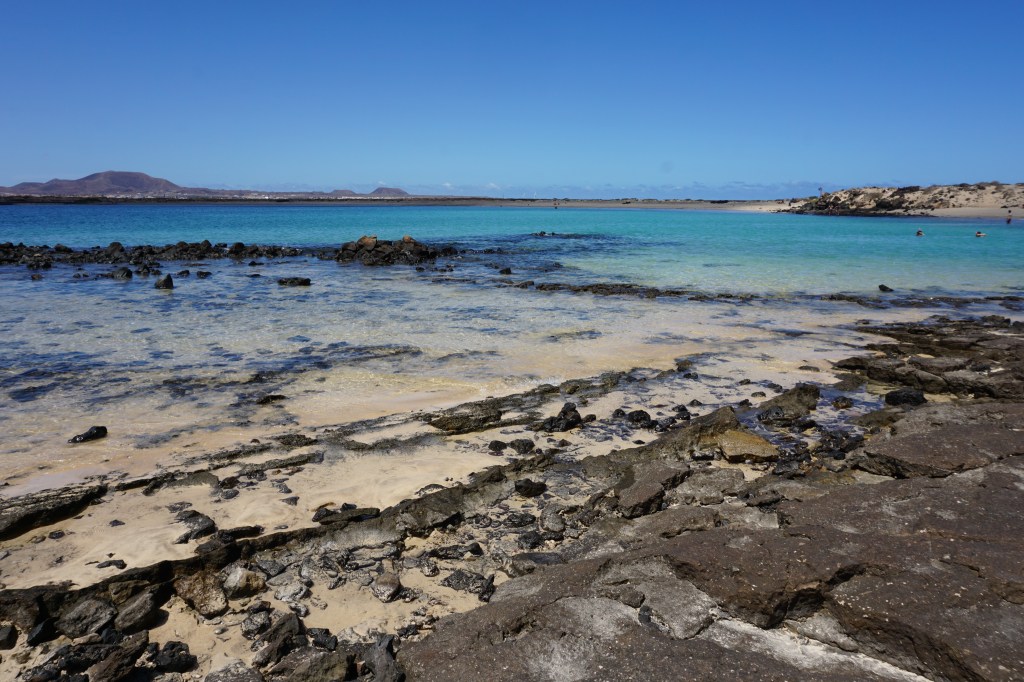
The Canary Islands originated from volcanic activity following the hotspot principle (like Hawaii) causing the islands to be lined up like pearls in the Atlantic Ocean. Fuerteventura is the island which emerged from the ocean first, so it is the oldest island. Therefore, it is the one which suffered from the most erosion. Unlike other islands (but similar to Lanzarote) it doesn’t have very high peaks but rather rolling hills. On Fuerteventura you can probably find the best and longest natural sand beaches. El Corralejo in the North and the peninsula of Jandia in the south offer endless white fine sand beaches. Furthermore, it is a paradise for water sport enthusiasts. The inland of Fuerteventura is the most arid and scant of the islands’ and it does not have so much to offer (check out my guide though). Fuerteventura is the better choice if you are planning a nice and relaxing beach vacation without much exploring of the island.
2. Lanzarote
Lanzarote is probably the island where the volcanic history of the islands is most visible. With few vegetation covering the smaller and bigger volcanoes of the island, the lava formations are very present on this island. You can enjoy excursions in this very vast landscape that offers the feeling like you are on the moon. There are only few sand beaches on the island. If you are interested to enjoy many different kinds of rock formations like caves, rock pools and similar, this island is for you.
3. Gran Canaria
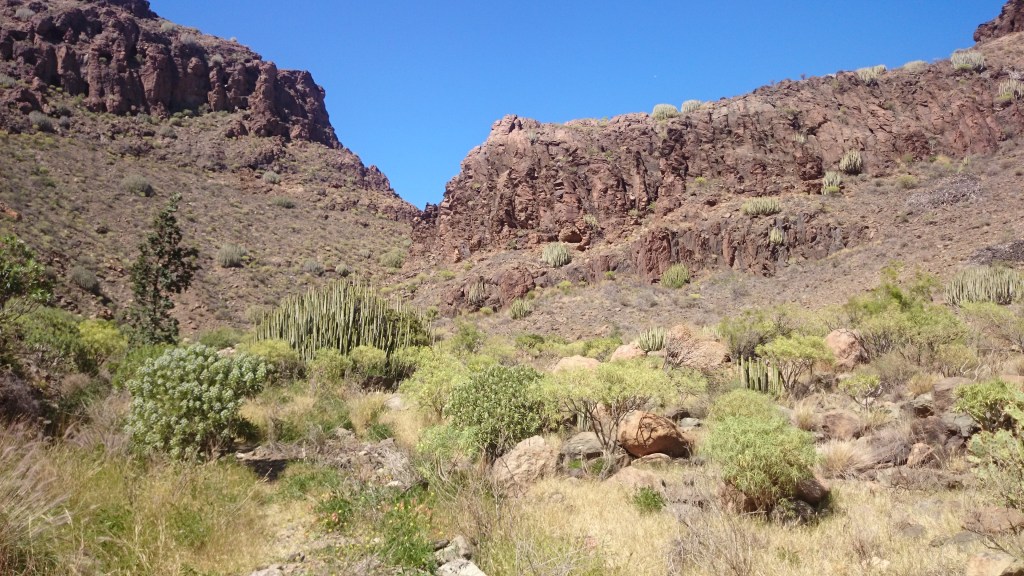
Here we are getting to a more mountainous island already. The highest peak of the island is the Pico de las Nieves with 1949m a.s. Therefore, the island offers some nice hiking options. Like on other islands (e.g., Tenerife) the high mountains work as a meteorological divide, leaving the north with plenty of rainfall, while the South is rather dry. This allows for very different landscapes in the different regions of the islands even on its small surface. Furthermore, Las Palmas de Gran Canaria in the North-East is the capital city of the Canary Islands and the biggest city on the islands, so if you are looking for some city life you will find it most probably here (together with Santa Cruz on Tenerife). Overall, this makes up for a very diverse environment with mountains, culture, forests and of course the sea to enjoy on this island.
4. Tenerife
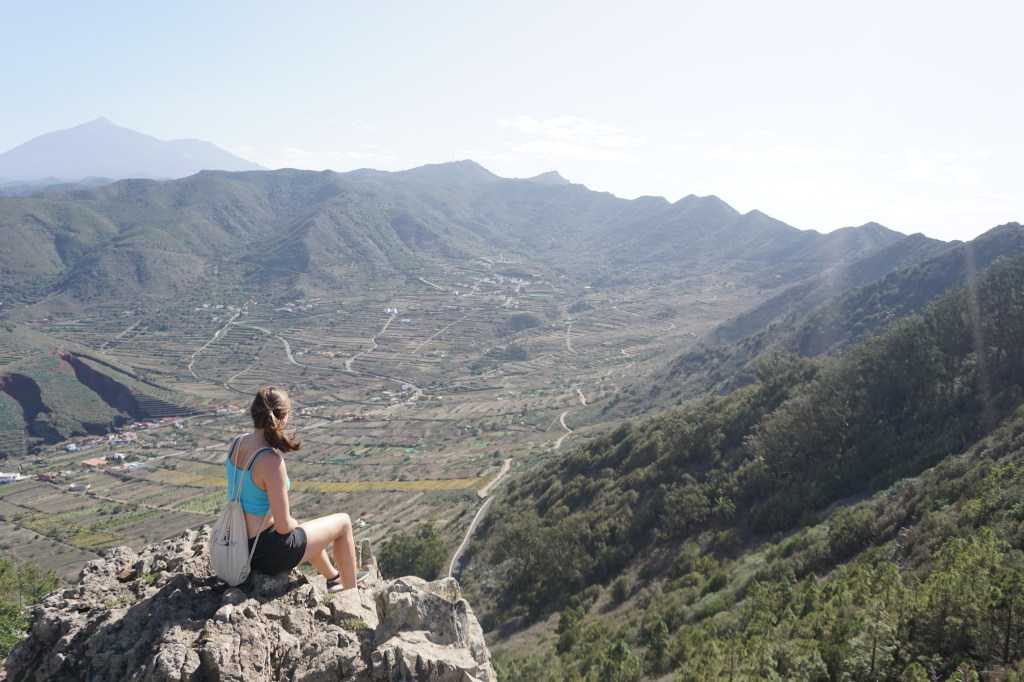
Tenerife is the biggest of the islands, and probably the most visited one. It is home to the highest mountain of Spain, the Teide, at 3715m a.s., which lies in the national park of the Canadas. In combination with the two mountain ranges Teno and Anaga the island offers a unique hikers paradise with very different vegetation zones (check out my guide). Like Gran Canaria if offers plenty of diverse landscapes from the driest unhostile volcanic places to the lush rainforest in Anaga. Some sand beaches also invite to swim.
5. La Gomera
La Gomera is a hiking paradise. The whole island is covered with rather high mountainous regions and rather lush vegetation. The coasts are falling deep down into the ocean, so beach life is very limited. If you prefer a green environment this island is the better choice for you. However, the island does not have its own airport so it can be reached only by ferry from a bigger island like Tenerife. In the strait between the two islands you might be able to spot dolphins and whales. Compared to the bigger islands presented so far, La Gomera is more laid back and relaxing, though it is also receiving more and more tourists in the past years.

6. La Palma
You probably heard of it.. La Palma’s volcano erupted in 2021, covering the news for some weeks, since it didn’t stop for quite a while. Yeah well I told you about the hotspot system: La Palma is one of the more recently emerged volcanic islands. Generally, the set-up here is a bit similar to La Gomera, mountainous and rather green. Compared to Gomera it offers more beach options though and is also a bit more frequented (having its own airport). It is heaven for hikers too.
7. El Hierro
The smallest sibling of the islands and also the youngest (the one which emerged from the ocean last). It doesn’t see many tourists, so it may be the best option for you if you enjoy individual tourism. It is very diverse too and offers similar landscapes as La Palma and La Gomera. However, keep in mind that the island is pretty small, so if you’re a very active explorer you can probably see everything in a small amount of time when visiting.
I hope this helped a little bit to decide which island to visit. All of them are definitely worth it! If you have any individual questions don’t hesitate to ask in the comments 😉
 Hidden Gems Travel Tips
Hinterlasse einen Kommentar